Panama as the Americas' Logistics Hub: Advantages for Your Operation
Discover why Panama is Latin America's most important logistics center and how to leverage its infrastructure for your supply chain.
Jaime Vásquez
CTO & Co-Founder, Limestone Group
The Strategic Position
Panama isn't just a point on the map. It's the connection point between two oceans, two continents, and the world's major markets. This privileged geographic position has turned the country into the most important logistics center in the Americas.
With the Panama Canal handling approximately 5% of global maritime trade and the Hub of the Americas connecting over 80 air destinations, no other location in the region offers this combination of connectivity.
World-Class Infrastructure
Panama Canal
The expanded Canal can accommodate Neo-Panamax vessels of up to 14,000 TEU. This means direct access to the world's most important trade routes:
- Asia to U.S. East Coast
- Europe to South America's West Coast
- Full interoceanic transit
Climate risk to consider: during FY2024, Canal transits dropped to 11,290 (a 33% reduction from normal operations) due to a historic drought and low water levels. FY2025 recovered to approximately 13,400 transits, but water security remains a structural factor. For logistics operations dependent on the Canal, it's important to have contingency routes planned.
Ports
Panama has ports on both coasts:
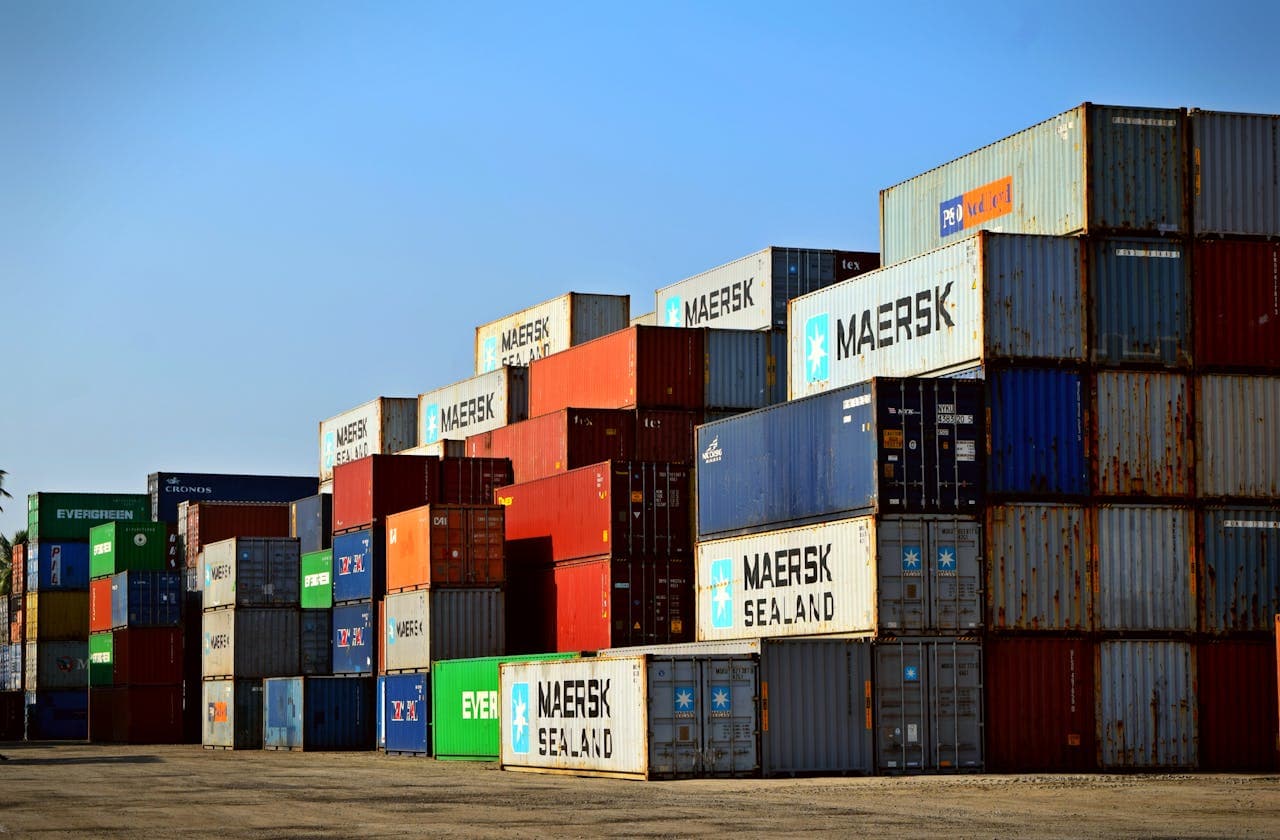
- Balboa (Pacific, operated by Maersk under interim management) and PSA Panama (Pacific)
- Cristobal (Atlantic, operated by MSC under interim management), Manzanillo International Terminal, and Colon Container Terminal (Atlantic)
Panama's port system handles over 7 million TEU per year, positioning itself as Latin America's largest port hub.
2026 update: in February 2026, Panama reasserted sovereign control of the Balboa and Cristobal ports following a Supreme Court ruling. Operations were transferred to Maersk (Balboa) and MSC (Cristobal), two of the world's largest logistics operators. The transition has been operationally smooth and port capacity remains fully intact.
Tocumen Airport
The Hub of the Americas offers:
- Direct flights to over 80 destinations
- Cargo terminal with 300,000 annual ton capacity
- Free trade zone integrated into the airport
- Connections in under 5 hours to major cities across the Americas
Colon Free Zone
The world's second-largest free trade zone, featuring:
- Ready-to-operate warehouses and distribution centers
- Tax-free imports and re-exports
- Direct access to ports on both coasts
The Nearshoring Effect
The global nearshoring trend has accelerated Panama's role as a regional distribution center. Companies that once concentrated their logistics in Asia now seek intermediate points closer to their end markets.
Panama offers exactly that:
- Reduced transit time: 2-3 days to any destination in the Americas vs. 20-30 days from Asia
- Lower inventory costs: by being closer to the end consumer
- Flexibility: ability to quickly redistribute products based on regional demand
Real Use Cases
Regional Distribution
Companies like Huawei, Samsung, and ZTE use Panama as their distribution center for all of Latin America. Products arrive from Asia, are stored in the Colon Free Zone, and redistributed based on demand.
Consolidation Center
E-commerce and retail companies consolidate shipments from multiple suppliers in Panama before distributing to final markets, reducing freight costs and delivery times.
Light Manufacturing
Under regimes like Panama Pacifico, companies perform assembly and final packaging in Panama, adding value before distributing across the continent.
How to Get Started
- Evaluate your current supply chain: identify where Panama can reduce costs or lead times
- Select the right zone: Colon Free Zone for trade, Panama Pacifico for services and manufacturing
- Establish the legal entity: the type of corporation depends on your operation
- Set up operations: warehouse, staff, management systems
Want to explore how Panama can optimize your supply chain? Let's talk.